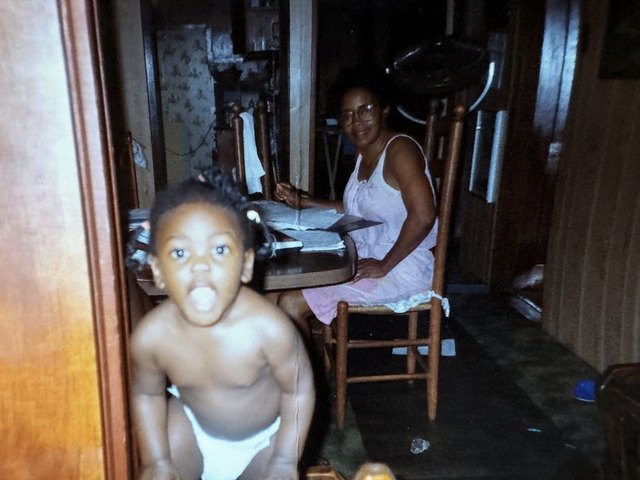
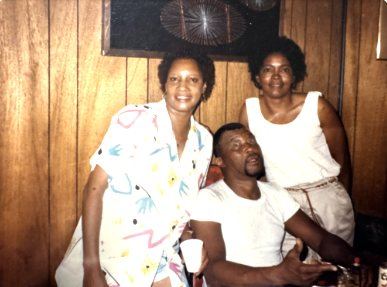
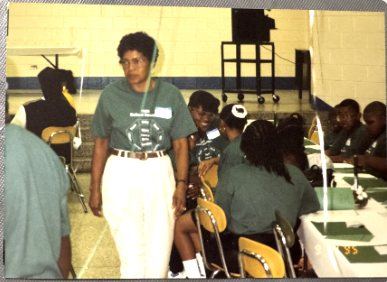
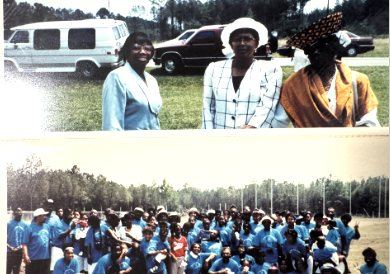
Where heritage lives.

You’ve always been the one asking the elders questions.

Cultural Home is a private digital home where your family can preserve the photographs, recordings, recipes and stories you keep meaning to save — with the people and meaning behind them attached.

Private by default · Your family owns its archive · Export anytime

Founding families move in this November. Public opening January 1, 2027.

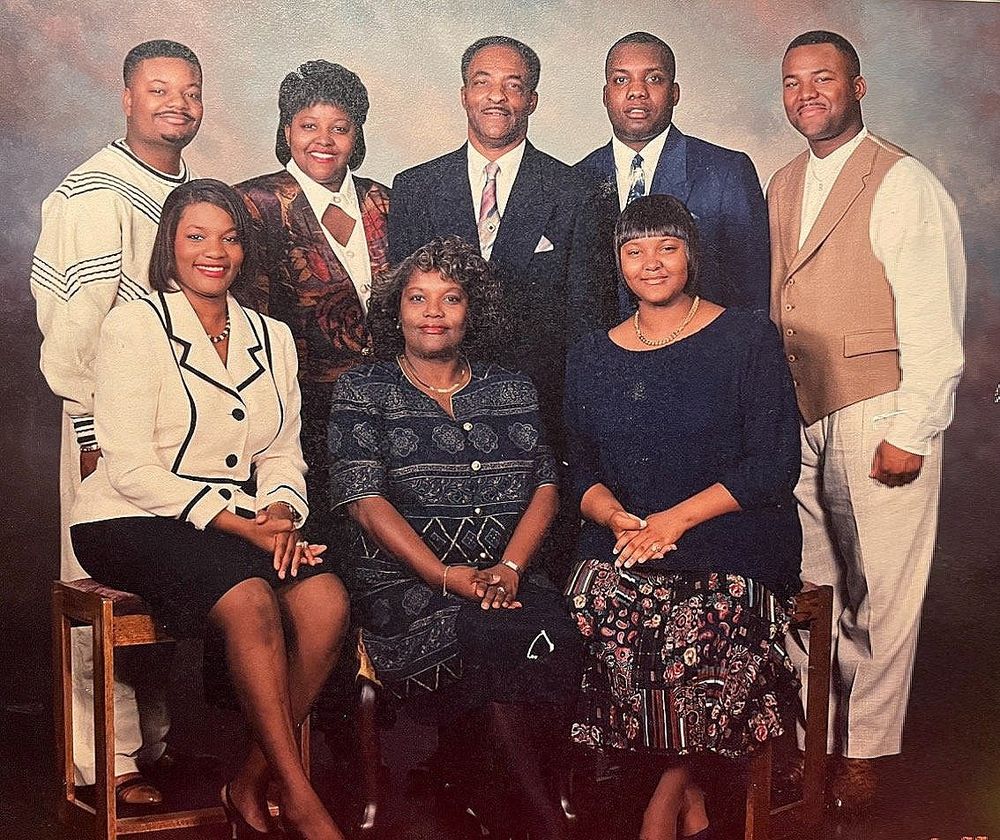
A formal family portrait of eight relatives, 1993
The Royals · Augusta, Georgia, 1993Eight people · every one of them named
Who this is for

Maybe you’ve always been an Old Soul.

  • You sat with the older people when everyone else went outside.
  • You want to know who is in the photograph, not just keep the photograph.
  • You save the funeral programs.
  • You ask how Grandma actually made it.
  • You know somebody needs to record that story.
  • You’ve thought, “I need to do this before it’s too late.”

Cultural Home was built for people who notice what could disappear.

Built by Jasmine Ballard, who filmed her grandfather six days before he passed. Read that story →

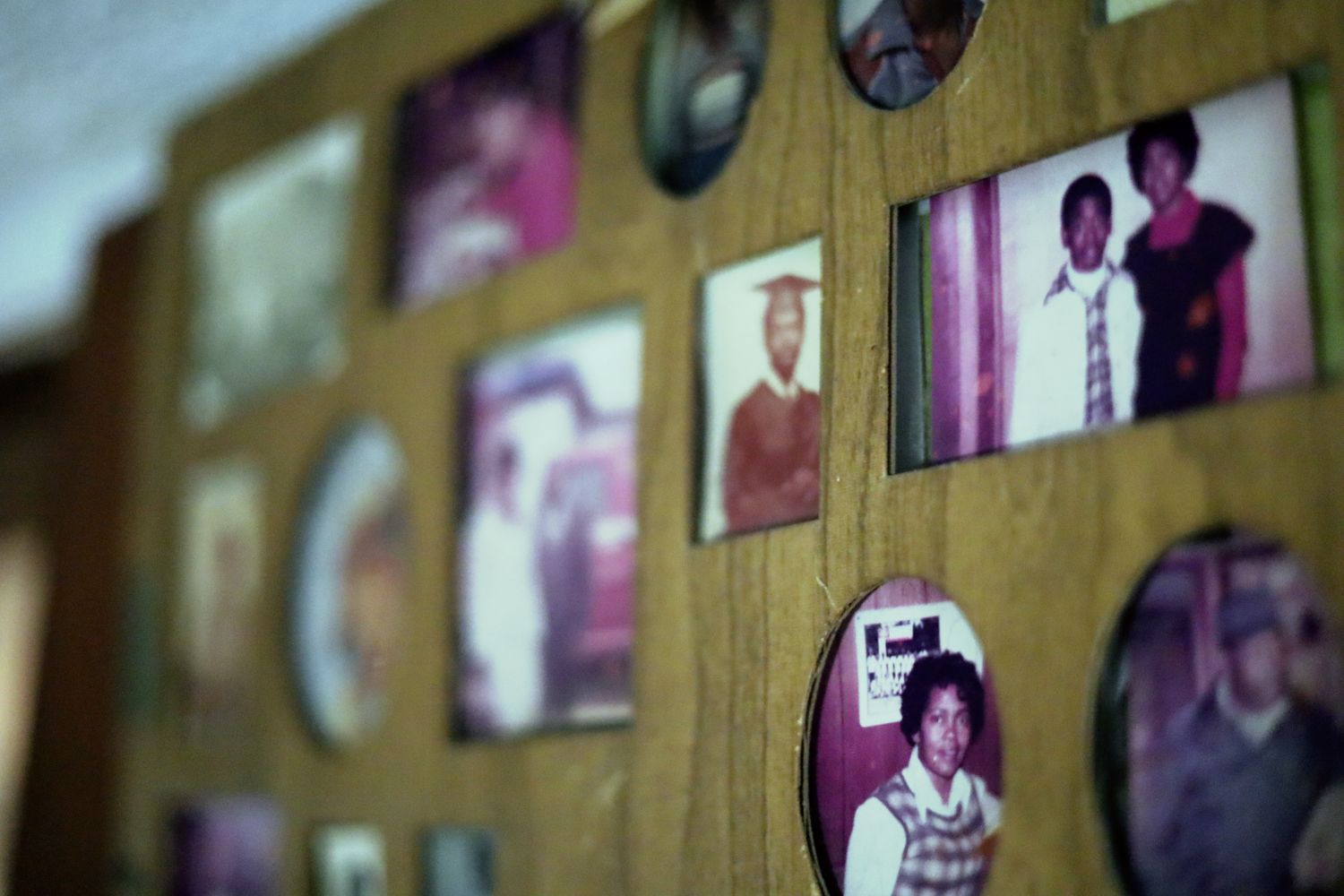
A wall of framed family photographs

Your grandmother's hallway, made searchable.

Every family has this wall, and one person who can still name everyone on it. Cultural Home is that wall with the answers attached — tap a face and you get a whole person, and tap a photograph and you get the conversation about it.

Live product tour — try it

See what happens when the story stays with the photograph.

This is the real thing, running on a real family archive. Play it, or tap through it yourself — anything glowing gold is yours to touch.

Tap through it myself
Demo Living Room The Wall
Step 1 of 4 Tap Fossie Mae to open her page.

Faces of the family

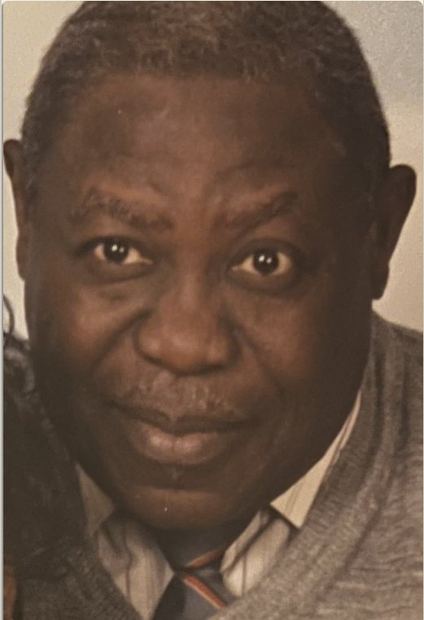
Alan
Alan
Father
Malik
Malik
Cousin

A map of who you come from.

You never build a chart. Add people, say how they're related, and it assembles itself. Sylvester and Fossie Mae open from here too.

Their children

AlanFather

Child of Alan

JasmineYou
ValerieAunt
RodneyUncle
MichealUncle
Fossie Mae
Grandmother
Fossie Mae

Married to · Born 2 January 1936

Born in Northwest, North Carolina, daughter of Essie Mae and Henry. She ran Duck's Childcare out of Northwest for years, then spent thirty more as an educator — a working woman and a business owner before anybody used the word entrepreneur for women like her. She went to Fayetteville State. She ushered at the church and loved the Lord out loud.

Children

  • Alan
  • Micheal
  • Valerie
  • Rodney

Photos, video & voice

Six photographs, and only one of them has its story yet. Open the church steps to see how the rest get theirs.

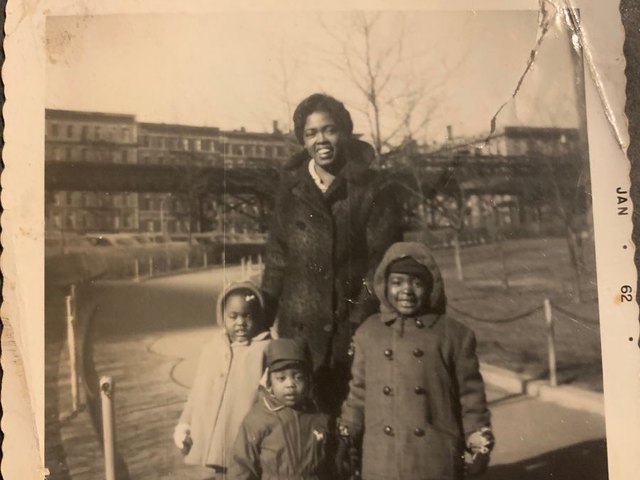
Mama & us, Jan 62
AlanValerie+2
At the table, 1992
Jasmine
Clarkie, Henry & Fossie
Henry
Ballard family reunion
+ Tag
Radford reunion, 1982
+ Tag
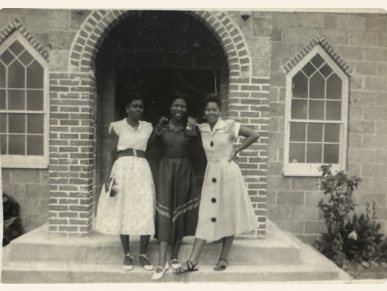
Three women on the church steps

Added by Valerie · March

The church steps

Fossie MaeLizaCrystal Spring Missionary Baptistc. 1958

What the family knows

ValerieMarch 3

Found this in the bottom of Mama's cedar chest. No date on the back.

JasmineMarch 3

Who is that on the left with Grandma?

Fossie MaeMarch 5 · voice note
"That's my cousin Liza."
0:42

"That's my cousin Liza. We walked to that church from the Robinson place every Sunday, rain or not. Mama made us carry our shoes till we got to the road."

MichealMarch 6

Liza Robinson. I've got another one of her at the '71 reunion — adding it to her page now.

+ Add what you know…

This is the whole product. A photograph nobody could date, turned into a record with a name, a place, a route to church and a voice — in three days, by four people, while she was still here to answer.

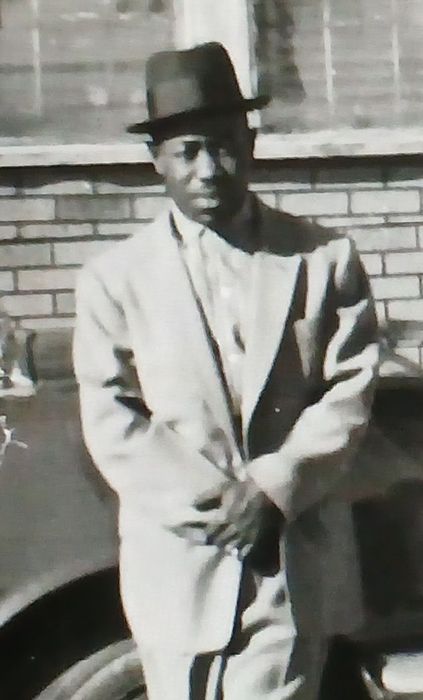
Sylvester
Grandfather
Sylvester

Married to · 1932 — 2024

Born in Northwest, North Carolina. He came home from the service and stayed close to the land after that — horses first, then whatever he could get to grow. He kept a garden until he couldn't. A family man in the plain sense of it: he was there, every day, for everybody.

The last conversation

Sylvester
His life story, in his own voiceWatch · transcribed · searchable

Recorded six days before he passed. Nobody knew. Every family gets a window like this — almost nobody notices it while it's open.

The white suit
The house he built
Sylvester & Fossie Mae
Fossie Mae
The problem

The photographs survive. The stories don’t.

Your family’s material is spread across phones, shoeboxes, hard drives and four different relatives. The names, the voices, the relationships and the reason any of it was kept usually live with one person — and nobody has written them down.

Our biggest competitor is a sentence: “I’ll get around to it.”

Memory does not wait.

How it works

Capture. Connect. Carry Forward.

01

Capture

Bring in the photographs, recordings, recipes, letters and papers your family already has.

02

Connect

Attach the people, voices, relationships, places and meaning that go with them.

03

Carry Forward

Invite your family to add what only they know, and keep the archive for the generations after you.

Who lives in the house

Old Soul is who you are. These are the ways people take part.

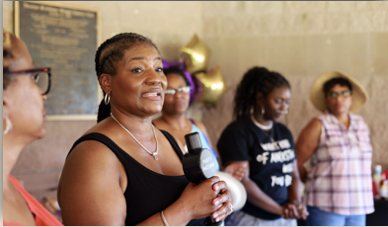
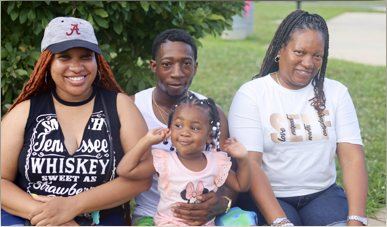
A woman at a family gathering The Keeper

Starts and tends the home

The one already collecting everything. She opens the house and invites the family in.

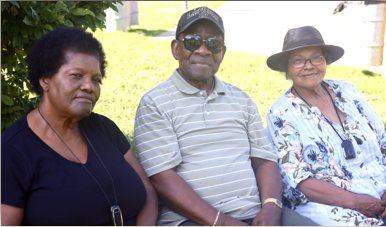
Three elders seated outdoors The Source

Carries the knowledge

The elder who holds the names, the traditions and the stories behind the photographs.

A family posed together The Family

Adds, corrects, inherits

Siblings, cousins and the generations after them. Eventually the house is theirs.

The house

Four rooms. You already know what goes where.

Room 01

Living Room

The Wall, photo albums, the message board — and where the family meets on video.

Room 02

Kitchen

Recipes in her handwriting, with her voice attached.

Room 03

Bedroom

Private to one person. Journal, time capsules, the files your heirs will need.

Room 04

Attic

Documents, oral histories, deeds and funeral programs — filed by person, searchable by name.

The Kitchen

The recipe, and the part she never wrote down.

Her card, photographed as she wrote it. Her voice attached, telling you the thing no card holds — when to stop, what it should smell like.

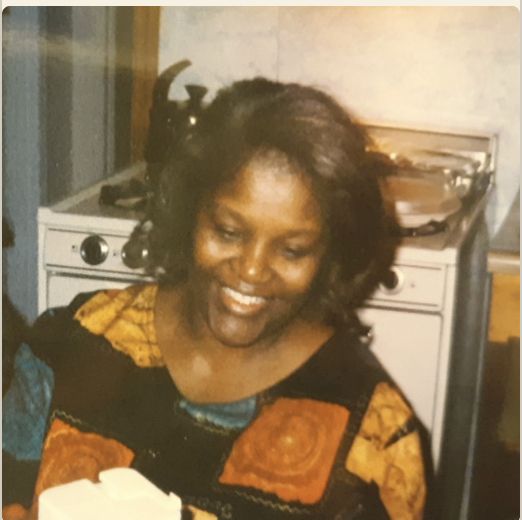
Charlotte at the stovePineapple Upside-Down Cake

from Charlotte · Grandmother

#sundays#castiron
As she wrote it
Pineapple Upside Down 1 stick butter — melt it in the black skillet
1 cup brown sugar, packed down
1 can sliced pineapple, drained
cherries, one in every ring
yellow cake batter — then — Bake till it pulls from the side.
Let it sit 10 min. Flip it warm.
"Don't you flip it cold."
1:42
The Attic

The paper nobody else kept.

Funeral programs, deeds, church records — the pages that live in one person's closet and disappear when it gets cleared. Photograph it with your phone; find it by name years later.

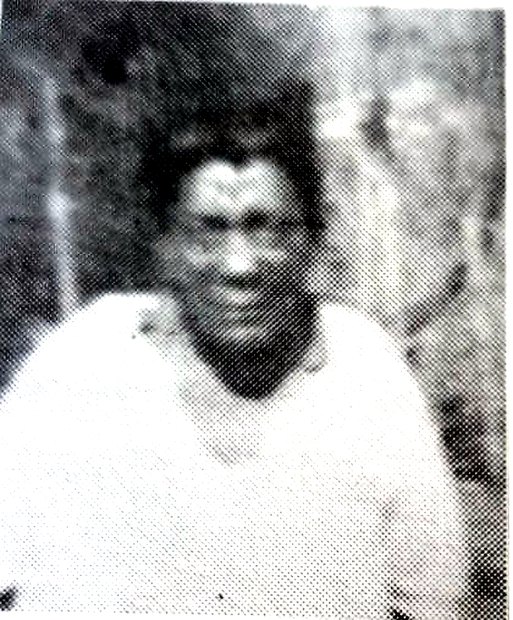
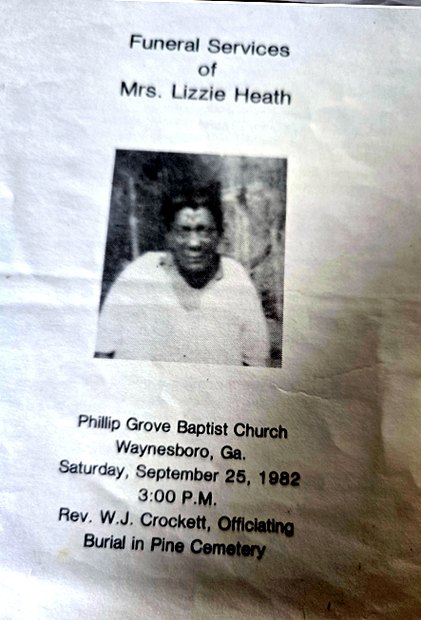
Lizzie was my grandmother's grandmother — born 1901, buried in Pine Cemetery, Waynesboro, Georgia, 1982.

🏠 Attic › Lizzie

Portrait of Lizzie
Lizzie
Funeral program for Mrs. Lizzie Heath
Her program, 1982
Lizzieb. 1901 — d. 1982Waynesboro, GA
The Bedroom

You are the archive too.

Nobody should have to die to be worth recording. The Bedroom is one person's own — your journal, your letters, the things you want your grandchildren to have in your words instead of somebody's memory of them.

You're not only the one saving everybody else. You're in here.

Nobody can see inside a Bedroom — not even the keeper — unless its owner moves something out. Three come with a household, and elders never pay for theirs.

🔒 Private to you

JournalToday's thoughts, in your own voice.
Time CapsulesLetters that open on a future date.
Private AlbumsPhotos only you can see.
ClosetJewelry, heirlooms, what goes to who.
EntertainmentBooks, music, movies you love.
Ancestral FilesObituary, will & trust — for your heirs.
🛡 Heirs & access · 1 of 2

Choose up to two relatives who can unlock read-only access to your Bedroom — when you decide to give it, or after you're gone. Nothing is shared until you activate it.

SafiyyahStanding by
Activate
— Select a family member —Add heir
Two ways to live in it

Some people want help. Some want quiet.

An usher doesn't preach and never takes the pulpit. She meets you at the door, shows you where to sit, then leaves you alone. That's the only job I'll give a machine in this house.

Every house gets one, and you name yours. Mine is Pearl — my grandfather's sister, who gave me a peppermint stick every Christmas when I came to visit my grandparents.

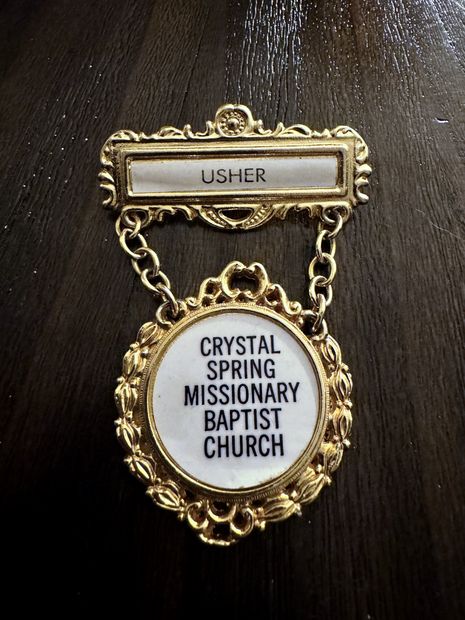
A gold church usher pin from Crystal Spring Missionary Baptist Church
My grandmother's usher pin.

The quiet house.

Nothing suggests anything. You add what you want, when you want, and the rooms sit exactly as you left them.

  • No transcription, tagging or suggestions
  • Nothing analyzed, summarized or scanned
  • You can turn the Usher on later. It never turns itself on.

This is the default. For a lot of families the slowness is the ritual.

Living Room · this week Quiet
The church stepsAdded by you · Sunday
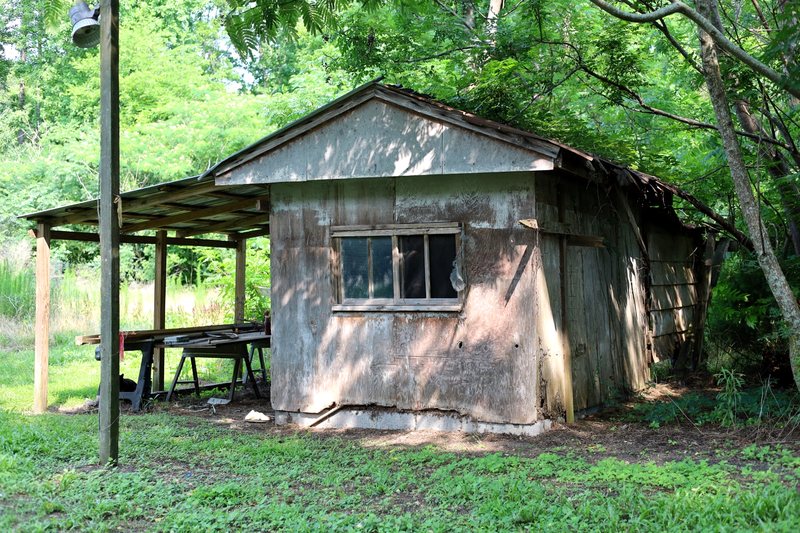
The structure out backAdded by Valerie · Tuesday
Sylvester Sr., 1953Added by Micheal · Friday

That's everything. Nothing else to see.

She threads things together.

The Usher does the tedious part and none of the part that matters. It notices, transcribes, and asks. It never decides.

  • Threads the same face across photos in different rooms
  • Transcribes recordings so you can search them by name
  • Suggests tags — you confirm every one
  • Tells you who's missing from the tree, and who hasn't been asked yet
  • Sees what's coming — a birthday, an anniversary, any family milestone — and offers to gather what already exists into an album or a short film
Living Room · this week Pearl is on
Sylvester Sr., 1953Added by Micheal · Friday
🕊PearlThreaded

This woman also appears in The church steps and Mama & us, Jan 62 — three photos, two rooms. Same person?

Yes, that's Fossie MaeNoNot sure
🕊PearlTranscript ready

Sylvester's recording is done — 41 minutes. He names eleven people. Four aren't on the Wall yet.

Show me the fourLater
🕊PearlSaturday

Two years since Sylvester, on Saturday. I've gathered 14 photographs of him and the 41-minute recording. Want me to put something together the family can watch?

Make an albumMake a short filmNot this year

One rule we'll never break.

You can name your Usher after someone you love. It will never speak as them. No recreated voices, no invented memories, no "here's what she might have said." An archive keeps what was actually said, by the person who said it.

Your house notices.

It remembers the days you meant to.

Birthdays, anniversaries, first days of school, the day somebody's mother would have turned ninety. Cultural Home keeps them and tells you while there's still time to do something about it. Not a feed to check — a few words on a Tuesday, from the house.

This is your Usher doing the quiet part — noticing what's coming, noticing what the family added while you were busy, and already knowing there are six photographs of the two people whose anniversary it is.

You choose which kinds of dates reach you, and any of them can be turned off. A death anniversary should never arrive uninvited.

Saturday9:33
Cultural Home8:04 AM

Sylvester & Fossie Mae's 70th wedding anniversary would have been today. Pearl put together a short film from the Living Room.

▶ Watch it
Cultural HomeYesterday

Valerie added her peach cobbler recipe to the Kitchen — in her mother's handwriting.

+ Schedule a family cook-along
Cultural HomeThu

Randy & Darlene's 35th wedding anniversary is Wednesday. Elijah started second grade.

Trust

Your family’s history is yours.

  • Private by default
  • No advertising
  • No sale of family data
  • Private family content is never used to train public AI models
  • Your family can export the whole archive, anytime, in open formats
  • AI tools help organize what you add — they never invent memories or recreate deceased relatives
Built with families

We’re building this with families, not just for them.

Every room in Cultural Home came out of sitting with real families — recording elders, going through boxes, and watching where people get stuck. Founding households meet with Jasmine, test what’s being built and vote on what comes next.

A neighborhood, not a feed.

A place for the people who always cared about this stuff.

Your house is private. The Block is the street it sits on — family memory workshops, one thoughtful prompt a week, preservation guidance, and the recipes and stories families choose on purpose to share.

Included with every household — and nothing from your house appears here unless you post it.

Preserving a church or a neighborhood instead of a family? That's work we do through Melanotion, our nonprofit.

Workshop · Thursday 12 November · 7 PM ET

Digitizing the Shoebox

Bring one box. Ninety minutes, together: what to scan first, how to photograph a fragile print without a scanner, and how to name things so a stranger could find them in forty years.

Free to householdsRecorded

Prompt of the week

What did your grandmother keep in her freezer that wasn't food?

One question a week, written to get at the specific instead of the sentimental. Answer it in your own Kitchen — nothing is shared unless you share it.

Recipe exchange · a family in Durham

Red drink, the way her grandmother actually made it

Families can post a recipe out of their own Kitchen with the attribution attached. Others pull it into their house and add their version underneath.

Reunion spotlight

Six states, 84 people, one recording booth in the corner

How one family turned a folding table and a phone tripod into eleven oral histories in an afternoon — including the two questions that worked on everybody.

Join the Old Souls List

Notes for the people who always cared about this stuff.

Notes on family memory, the things worth asking while people are still here, and practical ways to preserve what your family already holds.

Free for the family. Paid by the one who keeps it.

Coming home.

One person opens the house. Everybody else lives in it free. Founding families move in this November, help shape what gets built, and keep the rate they joined at.

Family Guest

Join a home you were invited into.

Free

For everyone in the family. You don't buy a Cultural Home to be part of one — the Keeper opens the house and invites you in.

  • Free, always — a guest never pays to be in the family
  • Add photographs, voices, recipes and names to the home you were invited into
  • Remember out loud, and answer the questions the Keeper asks
  • Your own sign-in, so what you add carries your name

Invitation only. Your family sends you the link — there's nothing to sign up for here.

Most popular

Founding Home

One home, yours, for your whole family.

$35/month

30 days free, then $35 a month. Founding families keep this rate for as long as the home stays open.

  • One Cultural Home you own and lead
  • Invite your whole family as guests — no extra cost, ever
  • The Living Room and the Kitchen, with uploads, voices and documents
  • The Usher: transcription and gentle prompts, never a decision
  • Search across everything your family has added
  • Export everything, anytime, in open formats
  • Founding-family feedback sessions and early access to what's next
Become a founding family

Card on file at signup. Nothing charged for 30 days. Cancel any time.

Legacy

For families building the long archive.

$50/month

Everything in the Founding Home, with the room and the tools for generations of material. 30 days free as well.

  • Everything in the Founding Home
  • Substantially more room for scans, film and high-resolution photographs
  • Expanded transcription for long recordings
  • The Attic — documents, lineage, records and deep archival tools
  • Collections, timelines and cross-referencing
  • Succession and legacy controls — who keeps the house after you
  • Household admin controls for large or multi-branch families
  • Premium preservation export for archival storage
Choose Legacy

Move between Founding Home and Legacy whenever you like.

What you get for joining early

Founding families move in before the public opening, sit in feedback sessions with Jasmine, see new rooms first, and keep the rate they joined at for as long as their home stays open. Cultural Home is still being built — that's the trade, and we'd rather say it plainly than dress it up.

The promises that don't change

Private by default. Your family owns everything it adds. We don't sell family data, and private content is never used to train public AI models. Export everything, anytime, in open formats. If you cancel, nothing your family added is deleted by billing — you keep exporting for at least 90 days.

The Toolshed

Some work software can't do. We're building a short list of vetted partners — genealogists, digitization, oral historians, care coordination and estate planning. Referral relationships always disclosed, and nothing is ever surfaced based on what you just uploaded.

Become a founding family

Become a founding household.

Tell me about your family and which door you're coming through. I'll be in touch within two days.

Which door?

No card charged here — I'll confirm your place first.

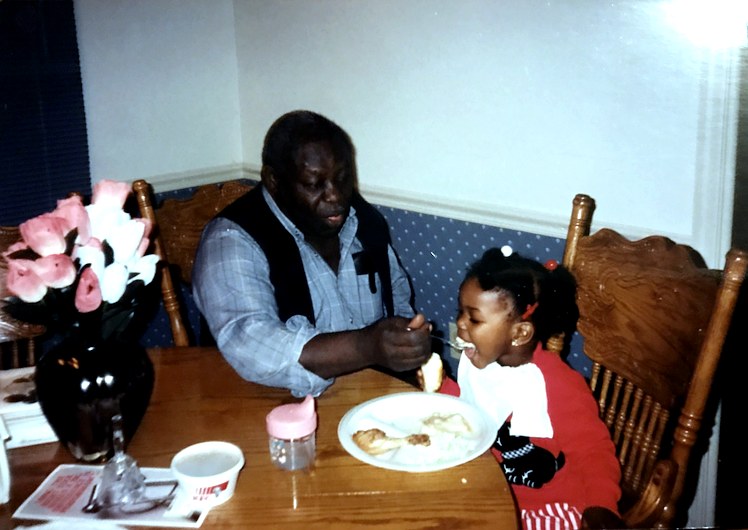
Sylvester feeding his granddaughter at the kitchen table
Our story

I filmed my grandfather six days before he passed.

I didn't know it would be our last conversation. I only knew that something in me said: capture this.

That recording is the most valuable thing my family owns. There's no version of us that can be put back together without it.

My grandmother has dementia. She's still here. Her memories aren't. I've spent the years since learning the difference between having someone and having what they carried.

Cultural Home is built for now, while everybody's still at the table.

Jasmine Ballard
Jasmine BallardFounder, Cultural HomeCultural archivist · TEDx speaker
The promise

The house is still being built. Your room is already safe.

Between November and January things will move. Here's the line we won't cross: the interface can change — what your family puts in it cannot. Nothing you add will break or disappear. Export is built in from day one, so you never have to take our word for it.

I have thousands of photos. Do I have to upload them alone?
No — and this is the honest answer to the hardest part. Bulk uploading is real work, so for founding families I help you move in. The Family Interview includes me setting your rooms up and filling them with you. For everyone else we're building phone-library import and a scanning partner, and I'll tell you plainly when each is ready.
What do I get between now and January?
You move in this November, before the public opening — the term runs through December 2027 either way, so those first months are yours. Plus feedback sessions with me, a letter each month, and a vote on what gets built next.
What exactly am I buying?
A Cultural Home of your own — one house you lead, free for everyone you invite into it. The Founding Home is $35 a month, Legacy is $50 a month, and both start with 30 days free. Founding families move in this November, before the public opening, and keep the rate they joined at for as long as their home stays open. It isn't a lifetime rate on paper, and we won't pretend it is — but we won't raise it on the families who came first.
Do our senior family members have to learn an app?
They don't have to — but many want to. Cultural Home is built to be intergenerational: the elders hold the memory, the younger generation learns the story, and everyone adds context together. A senior family member can record a voice note, upload a photograph, or write a memory as easily as anyone else. And when the family adds something that involves them, they see it first — nothing is shared without their context and consent.
How does memory actually get passed down?
It starts with the Source — the elder who carries the names, recipes, routes to church, and the stories behind the photographs. Their voice, documents and keepsakes live in shared rooms the whole family can help build. Bedrooms stay private to one person until an heir is deliberately chosen. The result isn't a shoebox of unnamed files; it's a living record the next generation inherits, with the person who knew the answers still attached.
What if the launch date moves?
You'll hear it from me, not from a banner — and you can have a full refund, no conversation required.
What's the refund policy?
Full refund for any reason within 30 days of payment, and a full refund after that if we fail to open your home by the date we promised. The Family Interview is refundable up to 14 days before your session; once it's been recorded the fee covers work already done. Refunds land back on your card within 7–10 business days. Email privacy@myculturalhome.com — no form, no retention pitch. The full text lives in the Terms.
What if Cultural Home goes away?
The right question before uploading anything irreplaceable. Everything exports at any time in open formats — photos as files, recordings as audio, text as documents. Your archive isn't hostage to our existence.